Solutions
Solar Solutions
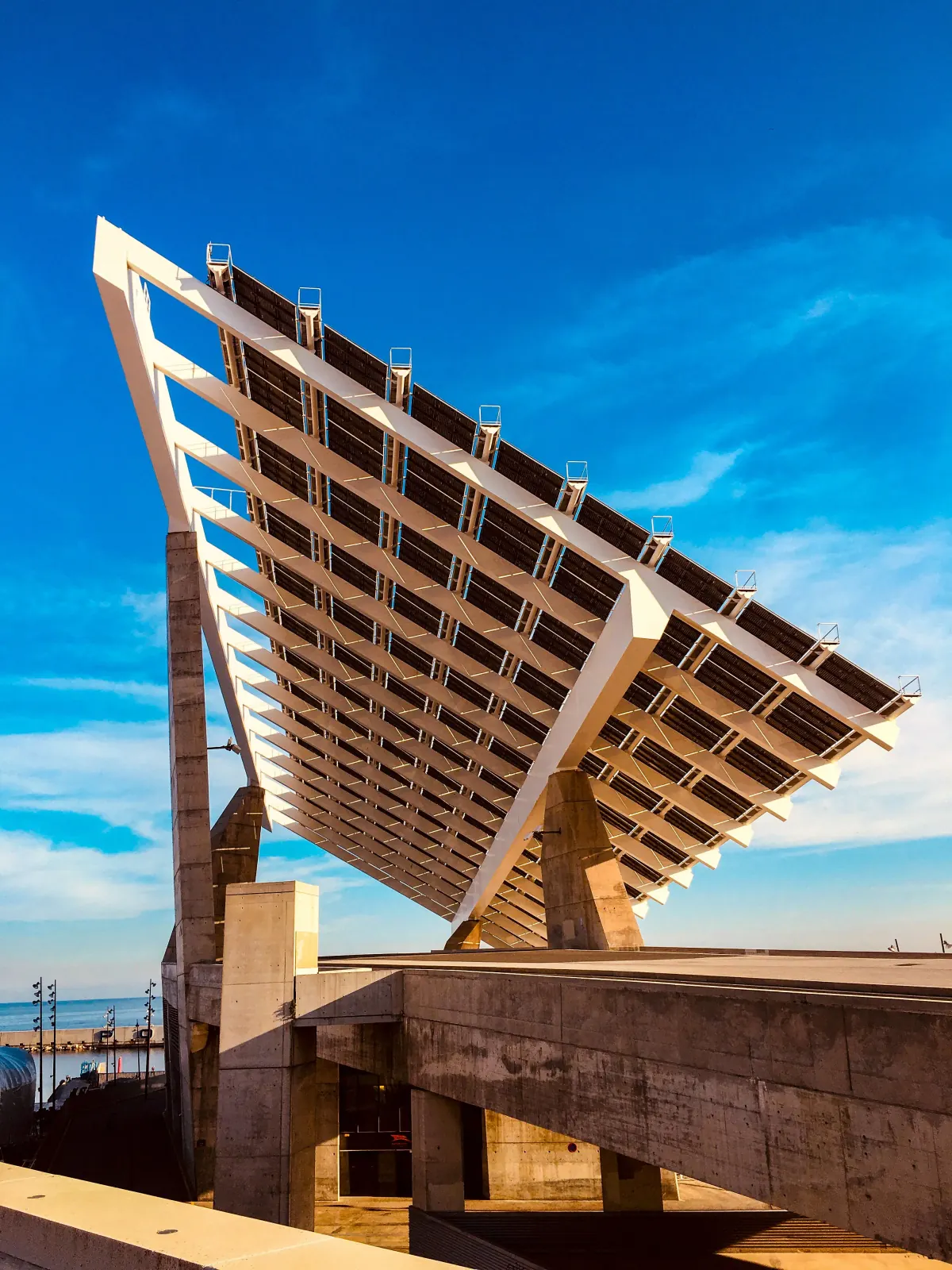
Residential and commercial solar, battery storage, EV charging and monitoring, designed as one connected system rather than as separate products.
Home ›
Solar Solutions
Overview
Solar solutions designed as connected systems.
01 — Residential
Residential Solar
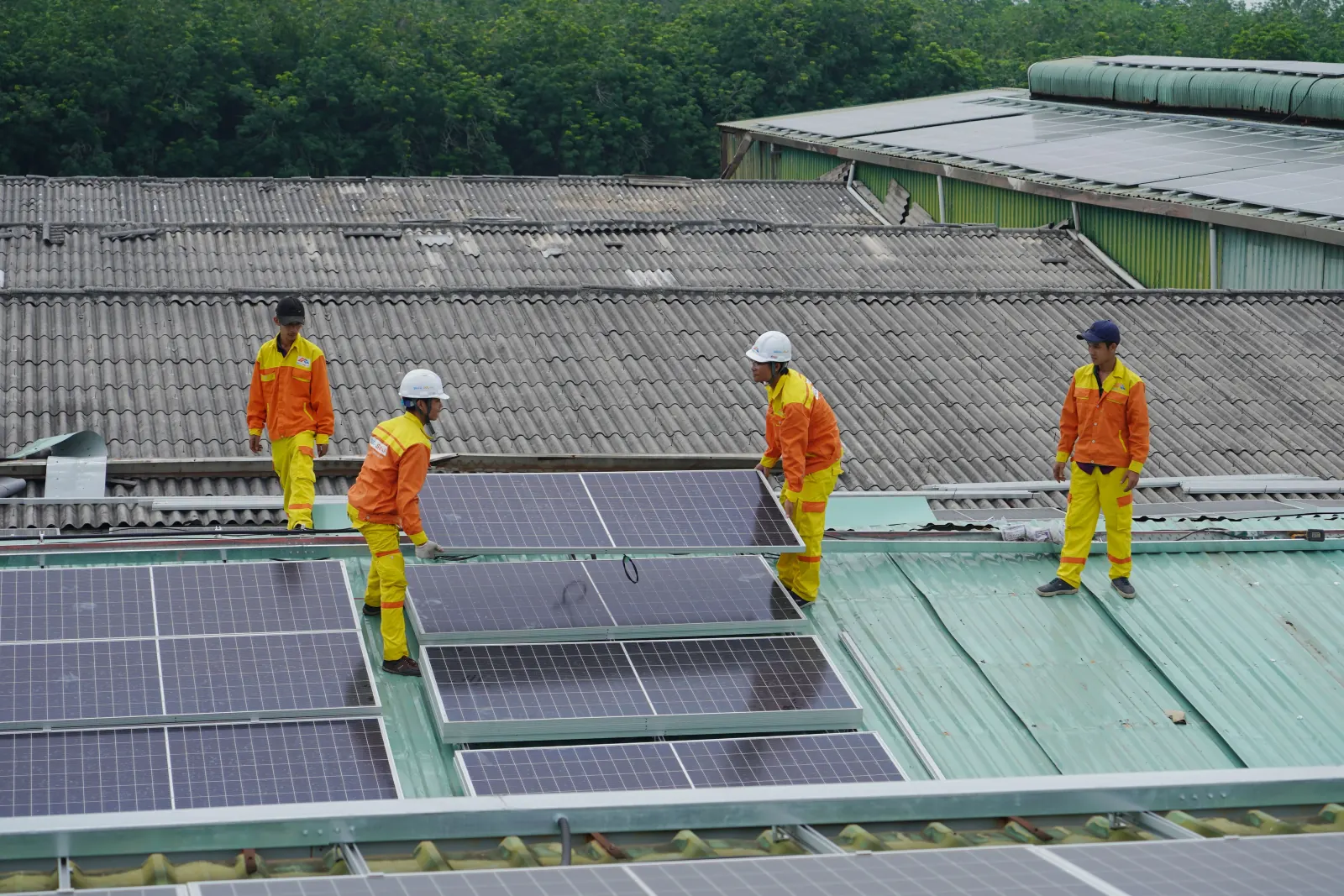
For villas, detached homes, townhouses and renovated properties. The design question is how much of a midday generation curve an evening-weighted household can actually use.
03 — Storage
Battery Storage
For properties whose demand sits outside generation hours. The design question is how much capacity is genuinely used on an ordinary day, not on the best one.
02 — Commercial
Commercial Solar
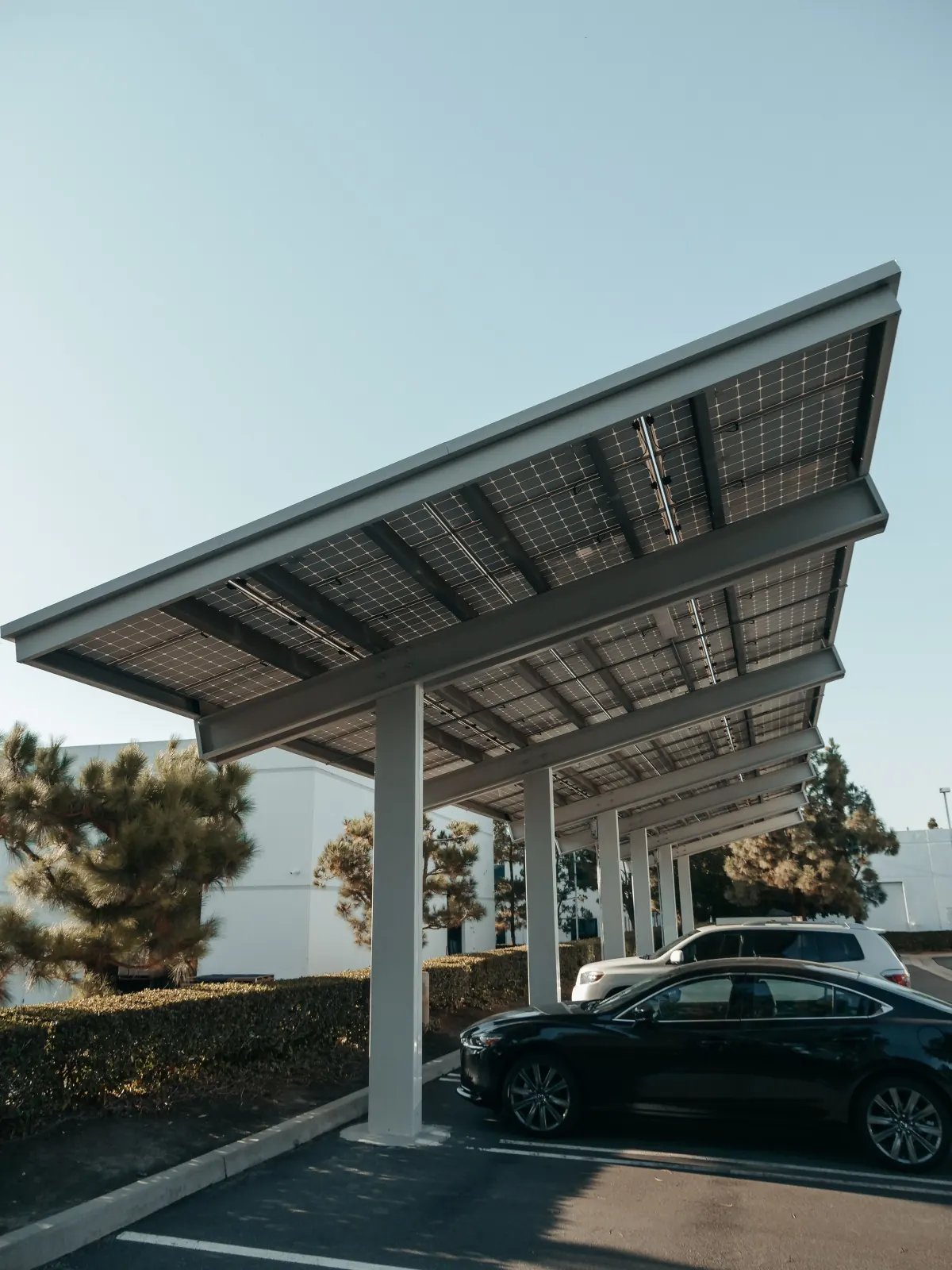
For offices, retail, hospitality, workshops and mixed-use buildings. The design question is how closely the load profile follows the generation curve.
04 — Charging
EV Charging
For homes and workplaces adding one or more charge points. The design question is how much electrical capacity is left once everything else is running.
Also part of the work
Three situations that change how a system is designed.
System monitoring
Knowing what the system is doing
Every installation is commissioned with monitoring in place, so generation, consumption and any stored energy can be read without a site visit. Suitable for properties where somebody will actually look at it: owners, facility managers or a property manager.
Solar for renovation projects
When the building is already open
A renovation is the cheapest moment to run cable, reinforce a roof section or reserve space in the consumer unit. Suitable for properties being rewired, re-roofed or extended, where solar may only be installed later.
Solar for new builds
Designed in, not added on
On a new build the roof, the cable routes and the electrical layout can be arranged around the system instead of around it. Suitable for projects still at design or first-fix stage, working alongside the architect and electrician.
System overview
What a complete installation consists of
The same parts appear in almost every project. What changes is how they are sized, where they sit and which of them are fitted now rather than later.
| Component | What it does | What decides it |
|---|---|---|
| Solar panels | Convert sunlight into direct current. | Usable roof area, orientation, pitch and shading. |
| Mounting system | Fixes the array to the roof and transfers wind and snow loads into the structure. | Roof covering, structure and access. |
| Inverter | Converts direct current into the alternating current the property uses. | Array size and layout, and whether a battery is planned. |
| Electrical protection | Isolates and protects the array, the inverter and the supply. | The existing consumer unit and the installation as a whole. |
| Battery storage (optional) | Stores generation for use outside daylight hours. | When the property actually draws power. |
| EV charger (optional) | Charges a vehicle, ideally when generation is available. | Available capacity and how the vehicle is used. |
| Monitoring | Reports generation, consumption and stored energy. | Who needs to see it, and from where. |
A note on equipment brands
This is a demonstration website for a fictional company, so no manufacturer, product range or supplier is named. In a real project the specific make and model of every component would be listed in the proposal, together with its datasheet and warranty terms.
Design questions
The four questions that shape every proposal.
01
What can the roof carry?
Surface, orientation, pitch, covering, structure and shading across the year. This sets the ceiling on everything else.
02
When is power actually used?
A property that runs at midday and one that runs at nine in the evening need different systems, even with identical annual consumption.
03
What has to be possible later?
A battery, a second charge point or an extra array is far cheaper to allow for now than to retrofit into a finished installation.
04
Who will look after it?
Monitoring, access and documentation are set up for whoever will actually be responsible for the system in five years.
Next step
Not sure which of these applies to your property?
Describe the building and how it is used. We will tell you which parts are relevant and which are not.