About Solara Energy
A team that documents the decisions, not just the delivery.
Solara Energy is a fictional company created for this portfolio demonstration, written the way a real solar company’s pages would be: specific, checkable and honest about what is not yet known.
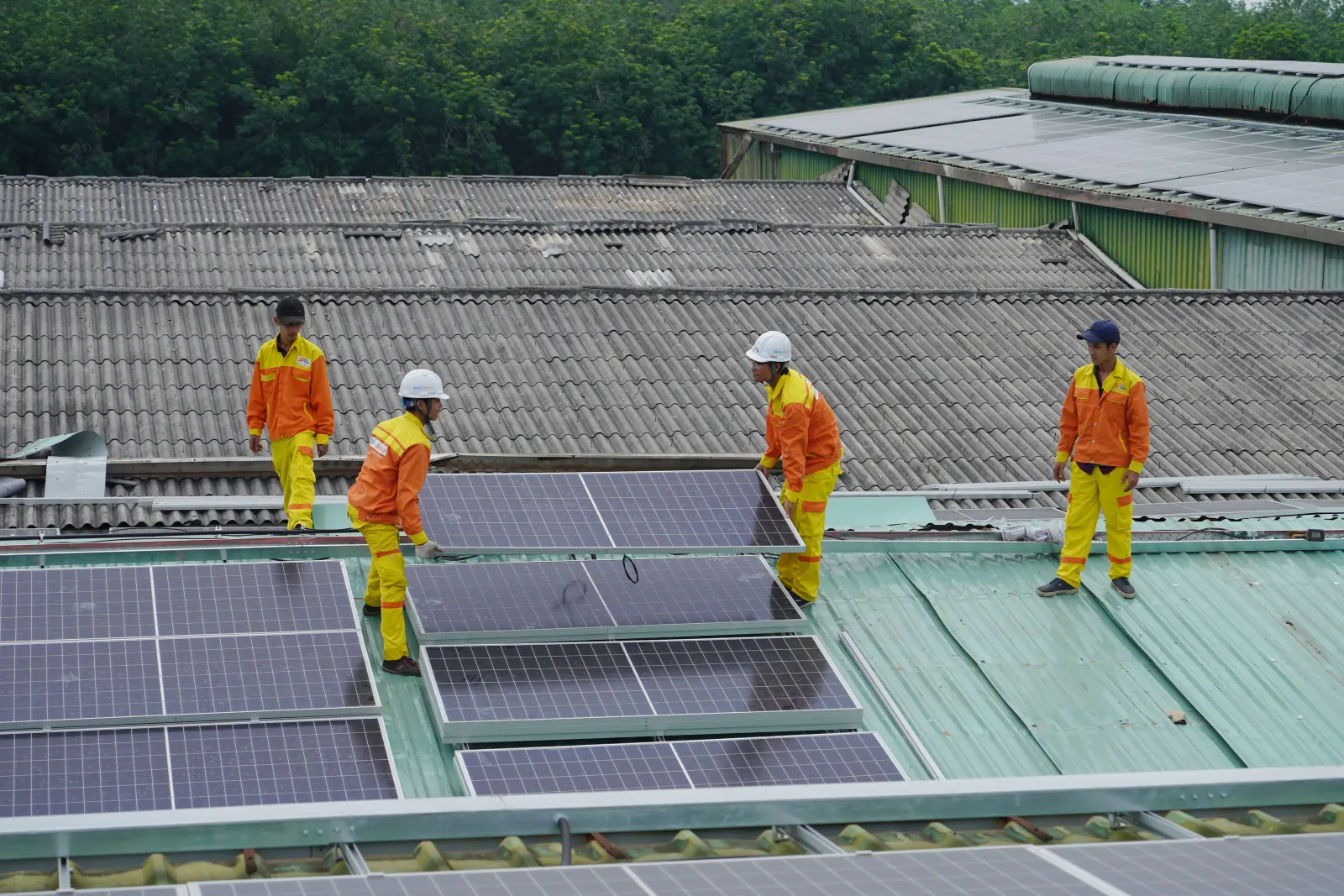
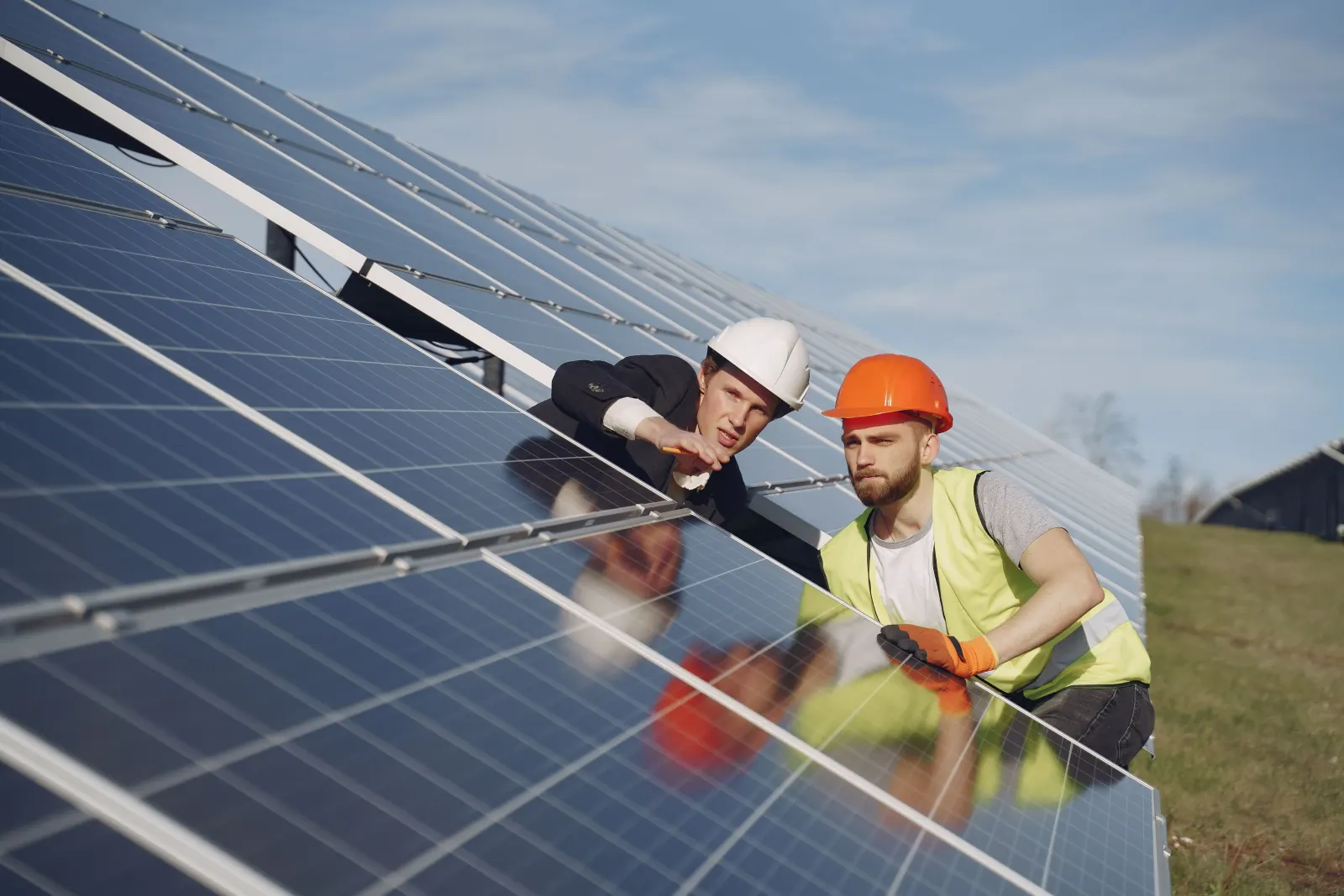
Costa Blanca, since 2016.
About Solara Energy
A team that documents the decisions, not just the delivery.
Solara Energy is a fictional company created for this portfolio demonstration. The pages on this site are written the way a real solar company’s pages would be: specific, checkable and honest about what is not yet known.
01
Survey first
A system is never sized from a standard package; the roof and the wiring come first.
02
Design for later, too
Battery and EV capacity are reserved in the design even when nothing is fitted yet.
What we stand for
Handover includes the paperwork.
Drawings, datasheets, test records and monitoring access are handed over in one place, to whoever will actually be responsible for the system.
Fictional company, real process
Nothing here claims to be a real installation.
Solara Energy is fictional; the case studies, team and figures on this site are demonstration content, stated plainly rather than dressed up as real results.
01
One point of contact
Whoever answers the first enquiry is usually who is still there at handover and monitoring.
02
No invented results
Project pages describe conditions and decisions, not fabricated yields or savings figures.
03
Written before work starts
A proposal states what is included, what is excluded, and what the price depends on, before anything is scheduled.
04
A real installer would use this page
Everything on this page is structured the way it would need to be for an actual solar company, not just for a demo.
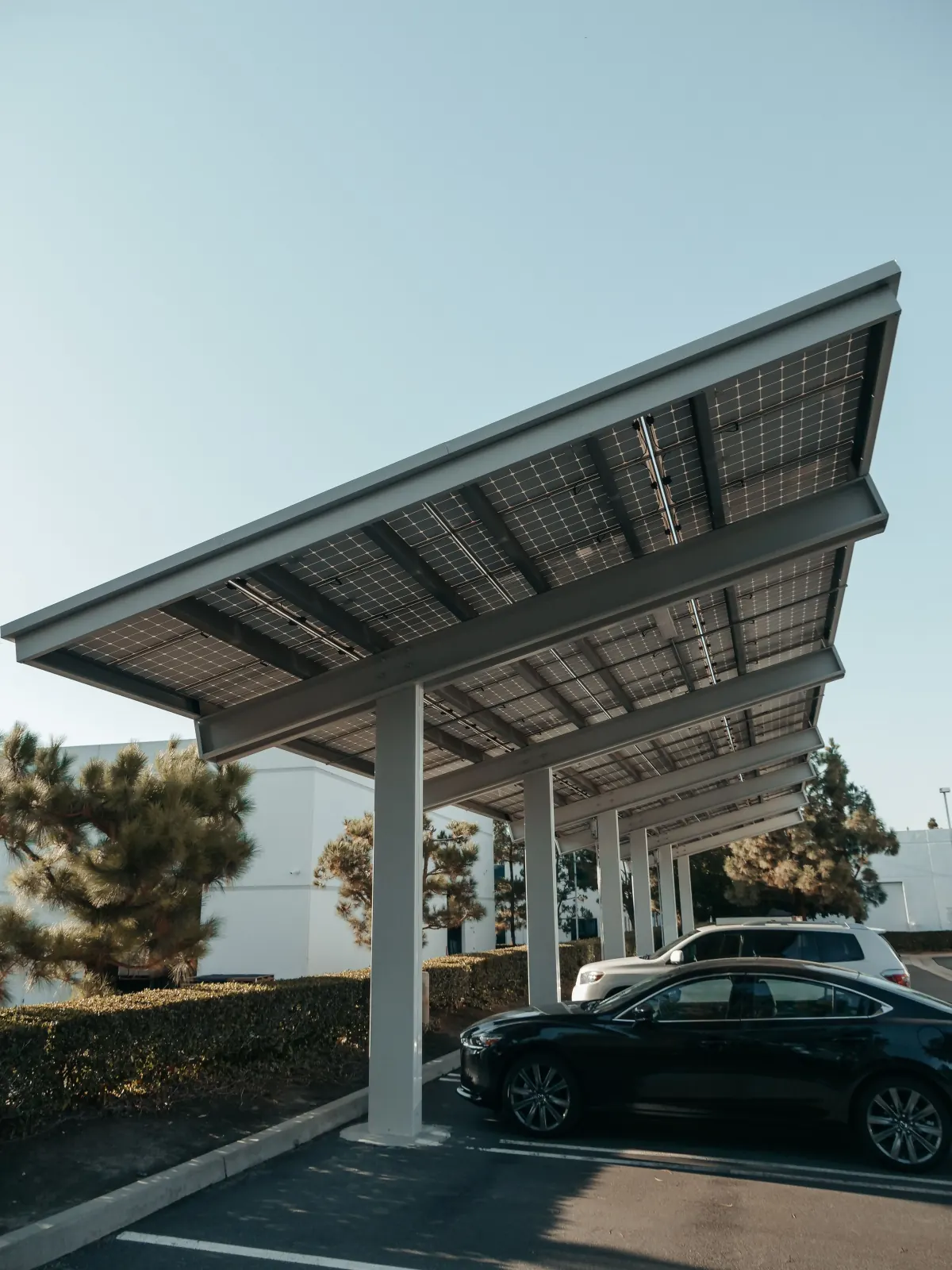
How it started
Two site visits that went badly, and a decision not to repeat them
Solara Energy was started in Alicante in 2016 by Mireia Costa, a commercial electrician, and Tom Andersen, a solar designer. Both had seen proposals written from a satellite photo instead of a site visit, and installations that left no drawing behind. The company started with two vans and a rule that is still followed on every job: nobody writes a proposal for a roof they have not stood on.
- Founded in Alicante, 2016
- Started with two vans
- No proposal without a site visit
- Costa Blanca: Denia to Torrevieja
- Field, design and operations teams
- Most work comes from referrals
Next step