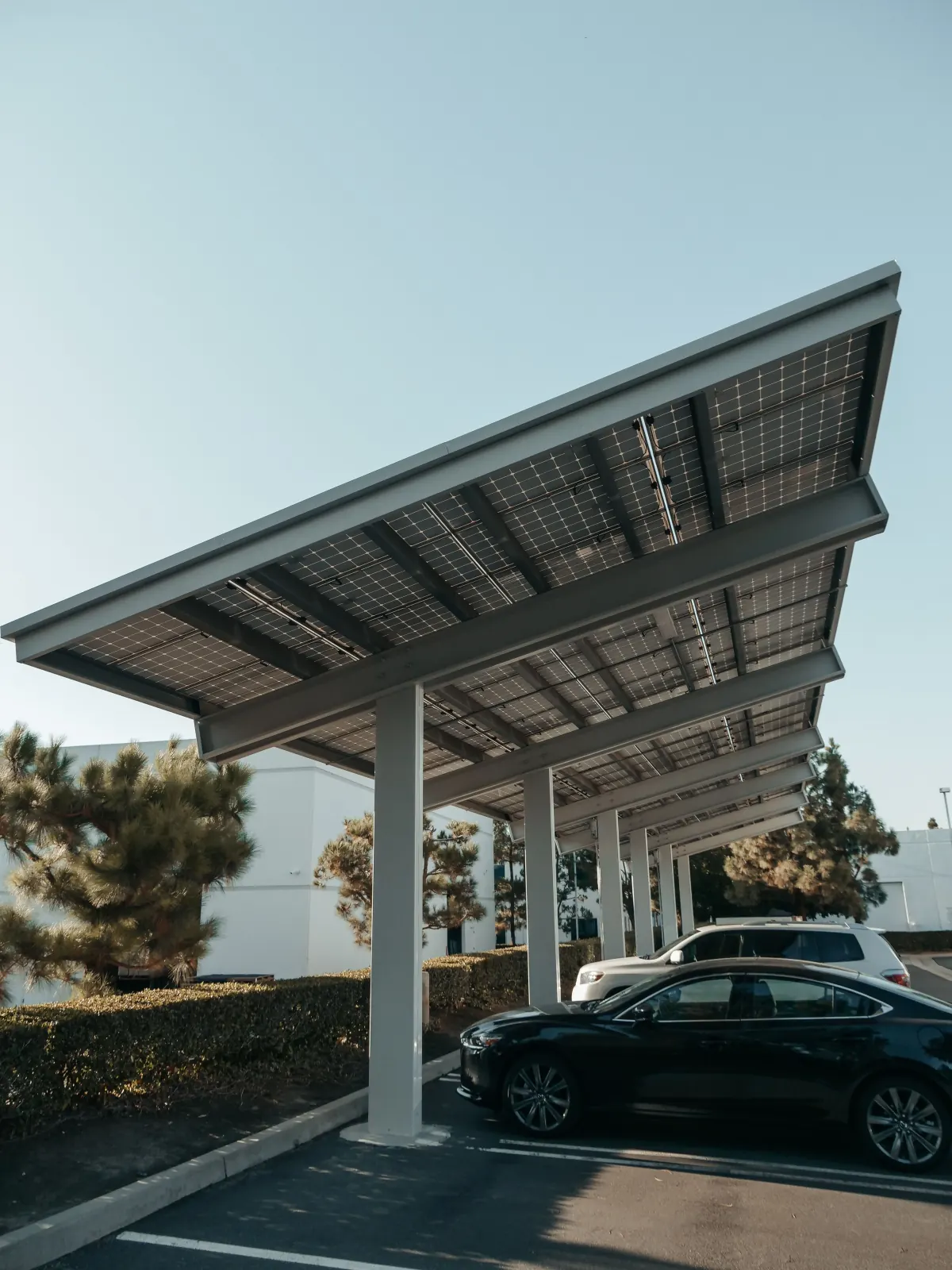
The physics of solar does not change between a house and a business. What changes is the load profile, the roof, and who has to sign off.
In short: this article is general information for the fictional Solara Energy portfolio demo. A specific property always needs assessment against its own roof, wiring and usage.
Load profiles pull the design in different directions
A household's consumption is shaped by mornings, evenings and whoever is home during the day. A business is usually the opposite: load concentrated in trading hours, which often lines up closely with generation and reduces the case for a battery.
Commercial roofs bring their own constraints
Existing plant, maintenance walkways, fire routes and roof edge safety zones can remove a large share of a commercial roof's apparent surface. A roof plan on paper and a roof plan after survey are often two different sizes.
Continuity of operation changes the installation plan
A household can usually tolerate a short supply interruption. A trading business generally cannot, which is why commercial installation planning concentrates disruptive work into a single agreed window rather than spreading it across the project.
Same physics, different design questions
Whether a system is designed for a house or a commercial building, the underlying question stays the same: what does this property actually need, and what does it actually allow.
This text is demonstration content for a fictional solar company website and is not technical or financial advice. Have a real property assessed before making decisions.