Case study
A house that already had solar, but not a plan.
A ten-year-old villa with a small existing array, retrofitted with a battery once a pool and an electric vehicle changed its demand.
Completed and commissioned.
Project facts
Residential Solar and Battery Retrofit
Detached villa on the Costa Blanca, occupied throughout the project.
Solara Energy is a fictional company; this case is demonstration content stated plainly, not a real result.
System scope
Solar array, battery storage, consumer unit upgrade, monitoring.
Installation type
Rooftop solar and battery, residential retrofit.
Key design consideration
An existing consumer unit with no spare capacity for a battery.
Project stage
Completed and commissioned.
The full record
How this project actually went.
Project intro
A house that already had solar, but not a plan
The property is a ten-year-old villa with a small existing array, installed before the household added a pool and, more recently, an electric vehicle.
The brief was to work out whether the existing array, the roof and the consumer unit could support a battery and a charge point, or whether more than a battery needed to change.
Operational context
Evening use that the original system was never sized for
Consumption data showed the load had shifted since the original installation: pool equipment through the afternoon, and a clear evening peak once the household is home.
The existing array covered the daytime load reasonably well. The gap was almost entirely in the evening, which is the condition a battery is actually for.
Roof and electrical assessment
The board, not the roof, was the constraint
The roof had enough remaining usable surface for a modest array extension. The consumer unit did not: it was already full, with no spare ways for a battery, let alone a future charge point.
A full rewire was not needed, but the consumer unit itself had reached the end of what it could reasonably accommodate.
System design
Sized against the evening gap, not the roof
The battery was sized against measured evening and overnight consumption on an ordinary day, not against the array size or a standard package.
A consumer unit upgrade was included in the scope specifically to create the spare capacity the original installation never had, with an additional way reserved for EV charging.
- Battery sized on measured evening consumption, not on array size
- Consumer unit upgraded to create genuine spare capacity
- A way reserved in the new board for EV charging
- Existing array inspected and retained rather than replaced
Installation planning
Two visits, not one
The consumer unit upgrade required a supply interruption, agreed in advance for a weekday morning when the household was out.
Battery installation and commissioning followed as a second, shorter visit, once the new board was live and tested.
Monitoring
One dashboard for the whole system
Generation, battery state and consumption are shown together, so the household can see whether the battery is actually covering the evening gap it was sized for.
Monitoring access was set up directly in the household's name, not left tied to an installer login.
Result
A ten-year-old system brought up to what the house now needs
The retrofit did not replace a working array. It addressed the actual constraint, which was electrical capacity, and sized storage against how the household uses electricity today rather than when the original system was installed.
A charge point can now be added without a second board upgrade, because the capacity for it already exists.
- Evening consumption largely covered by stored generation
- Consumer unit with genuine spare capacity for the first time since installation
- EV charging prepared for, not yet installed
- Monitoring in the household's own name
Gallery
Array, board and battery
A note on these photographs
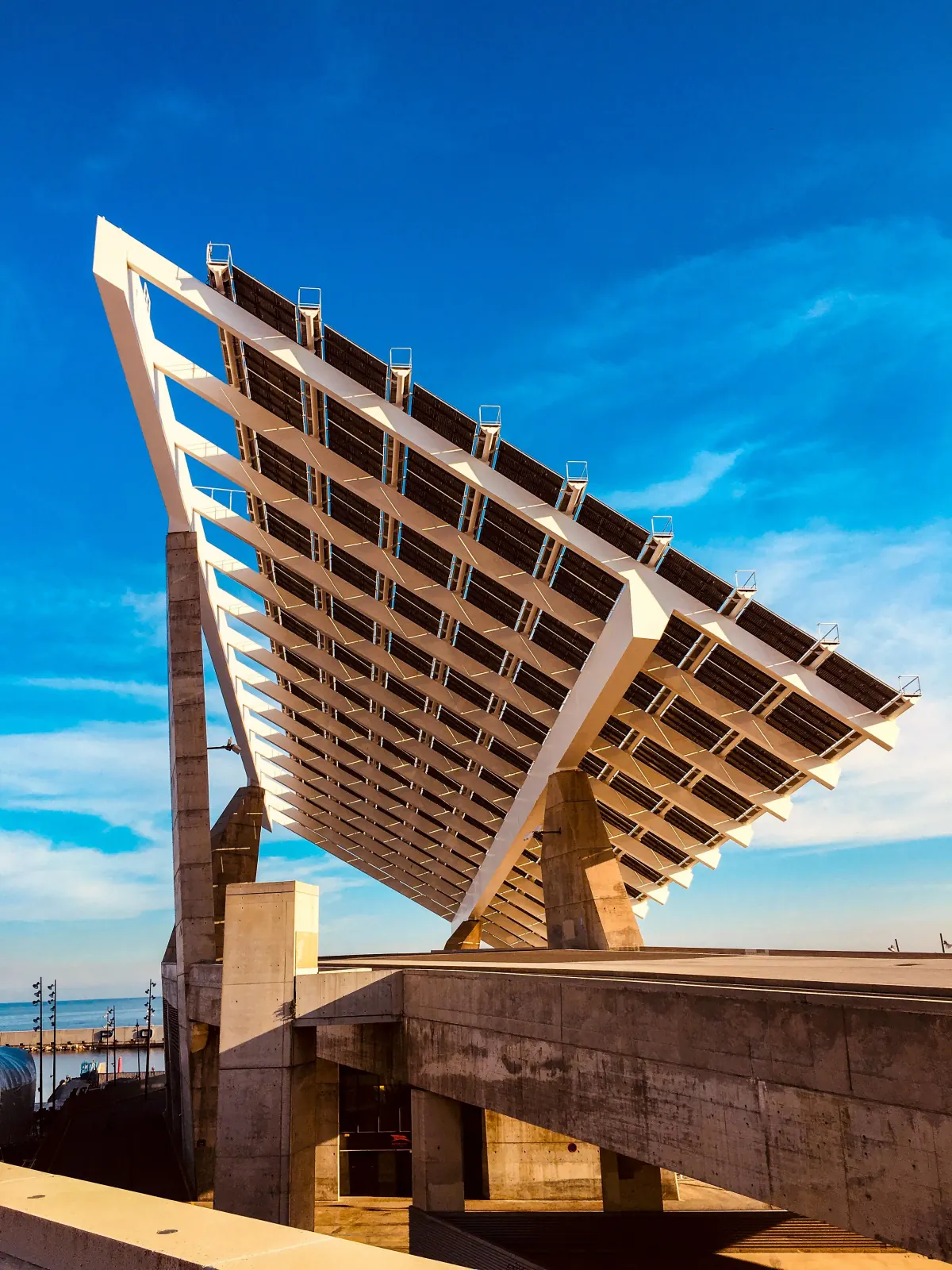
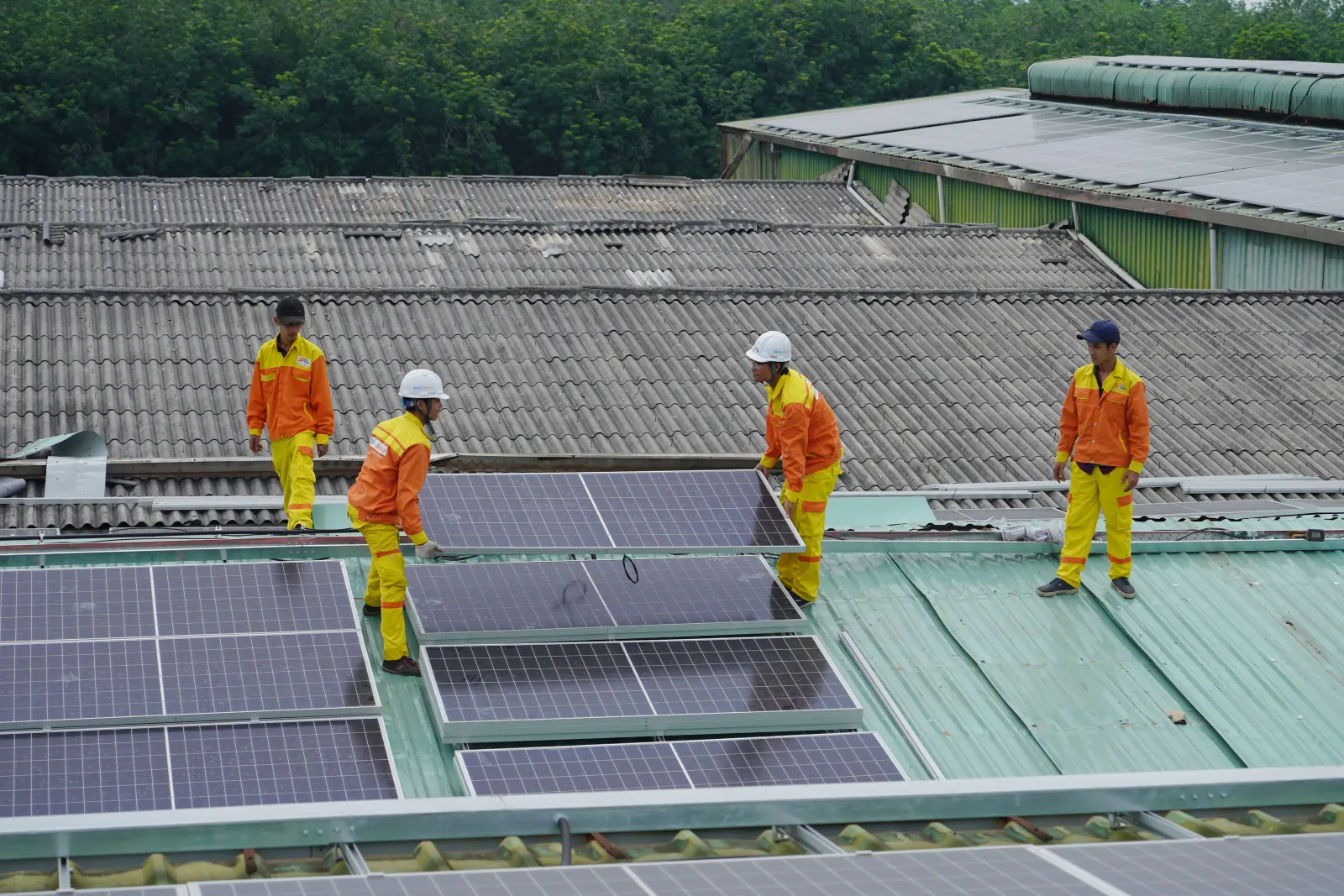
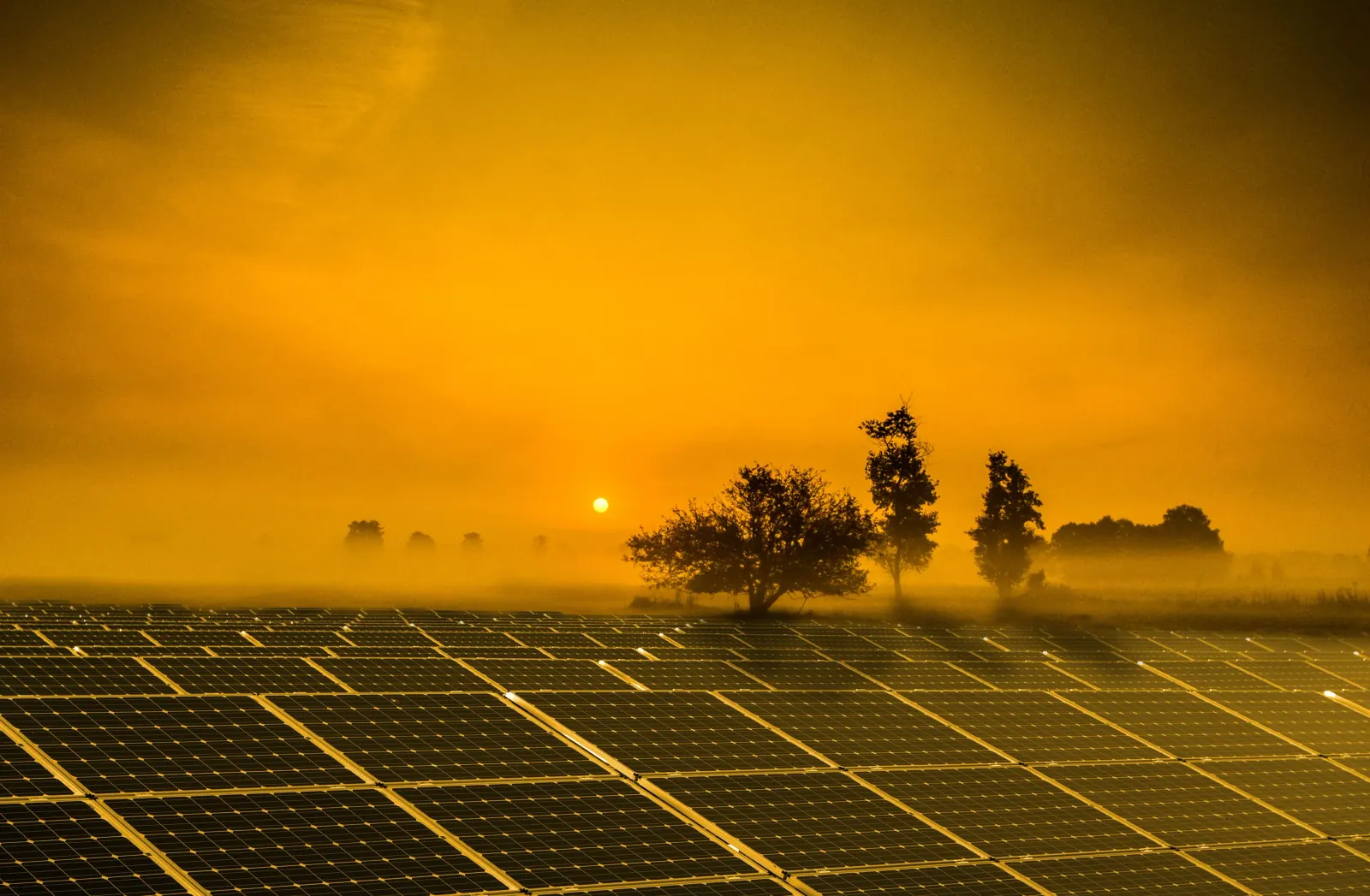
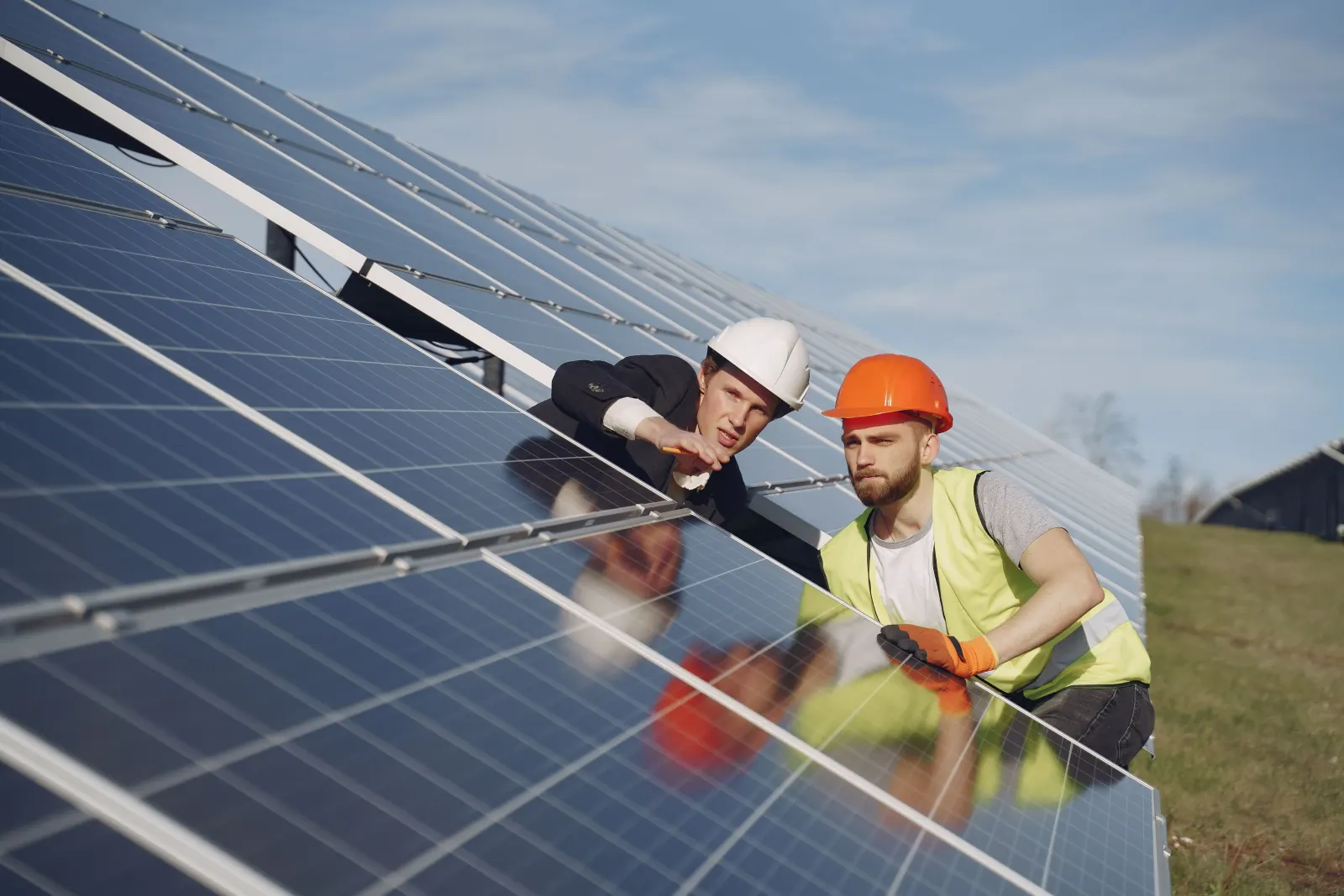
Solara Energy is a fictional company created for a portfolio demonstration. These are stock images that illustrate the type of work described, not records of this project.
Next step